
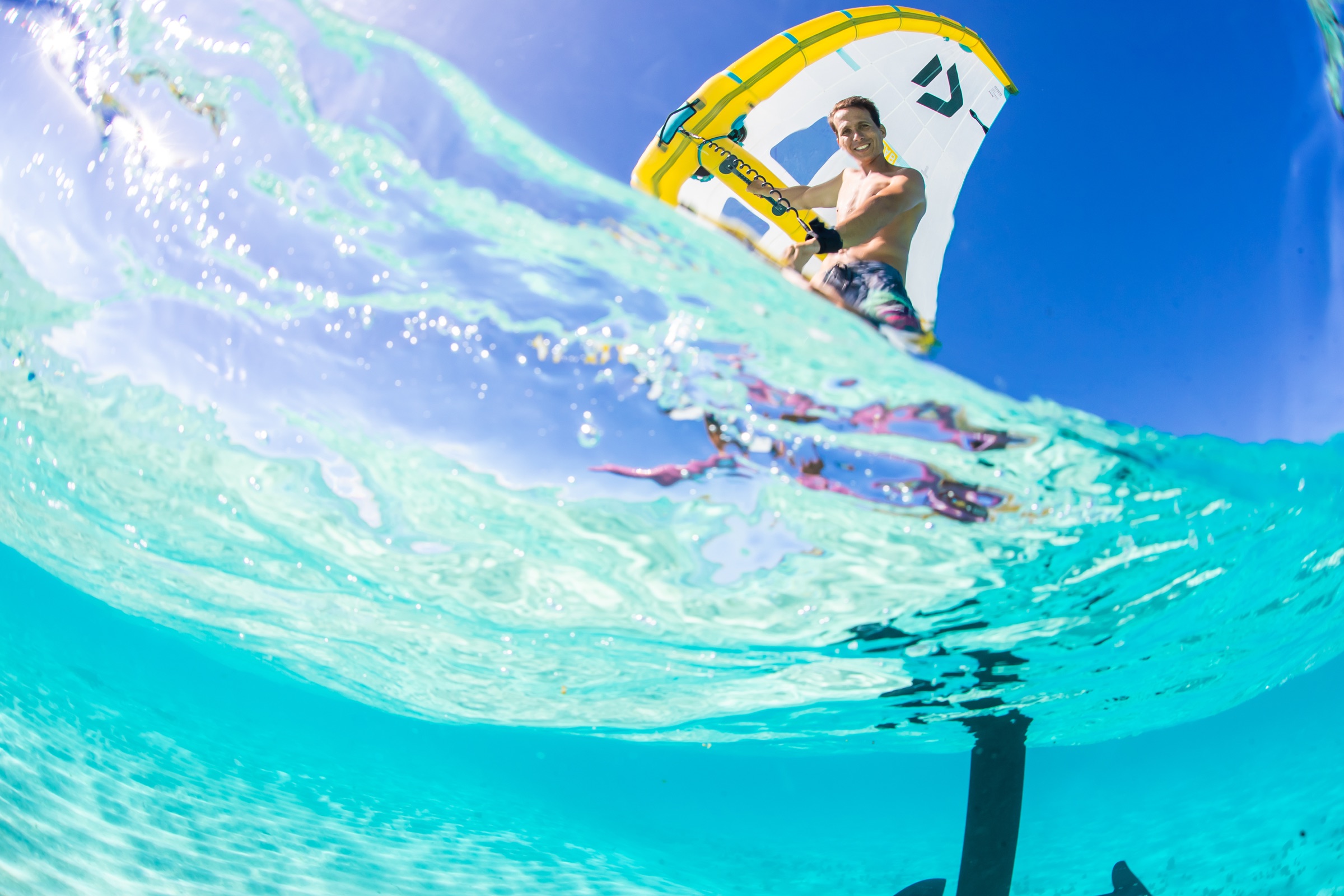
Beginner guide by Jeremie Tronet, professional kitesurfer and founder of JT Pro Center
How to Learn Wing Foiling
Wing foiling is easier to learn when the wing, board, and foil are taught in the right order. This guide explains how to learn wing foiling in the Caribbean and why private boat support matters.
Wing foiling is easier when the wing, board and foil are taught in the right order. Learn the basics, private coaching setup, and why boat support helps in the Caribbean.
Start with the basics
Wing foiling starts with the right progression
Wing foiling has become one of the fastest-growing watersports in the world, attracting kitesurfers, windsurfers, surfers, sailors, foilers, and many people who want a new way to enjoy the water during a warm-water wing foil holiday. If you are ready to take lessons, start with our learn wing foiling in the Caribbean page.
A wing foil holiday is often the best way to learn because you can dedicate a few days to the sport, follow a proper course, repeat the key movements, and progress without rushing everything into one short session.
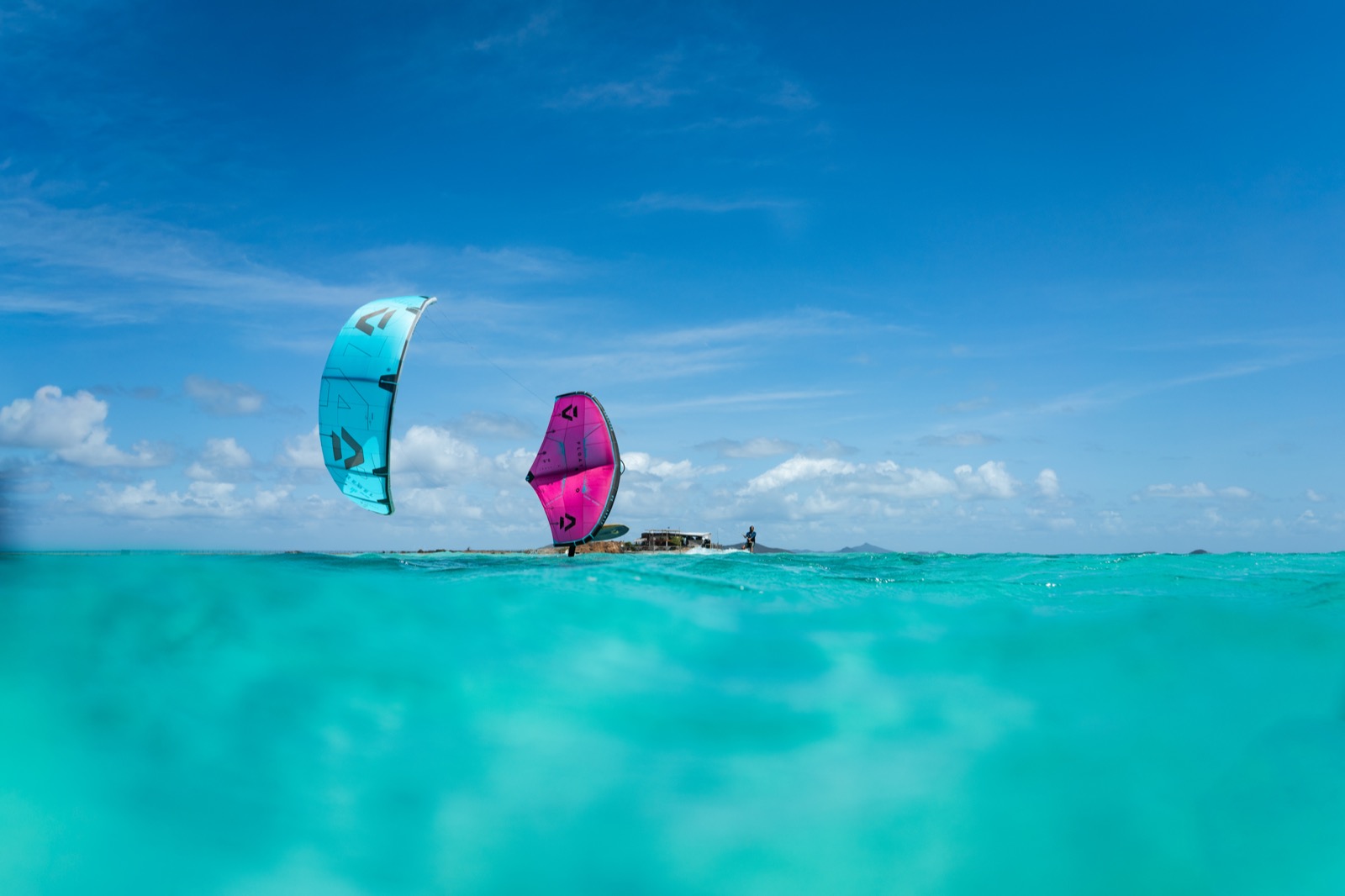
JT Pro Center was one of the first wing foil schools in the world to teach the sport seriously. We have been involved in wing foiling since the early days, and Union Island was used to film Duotone Academy content for both wing foiling and kitesurfing.
JT Pro Center also helped train Paula Novotna before she became a wing foil world champion, which is part of our history and shows the level of experience behind our teaching method.
When you learn wing foiling with us, you are not learning from a random beach rental setup. You are learning with private instruction, private boat support, stable Duotone equipment, radio coaching when useful, and a method built from years of teaching watersports in the Grenadines.
The right order
What is the best way to learn wing foiling?
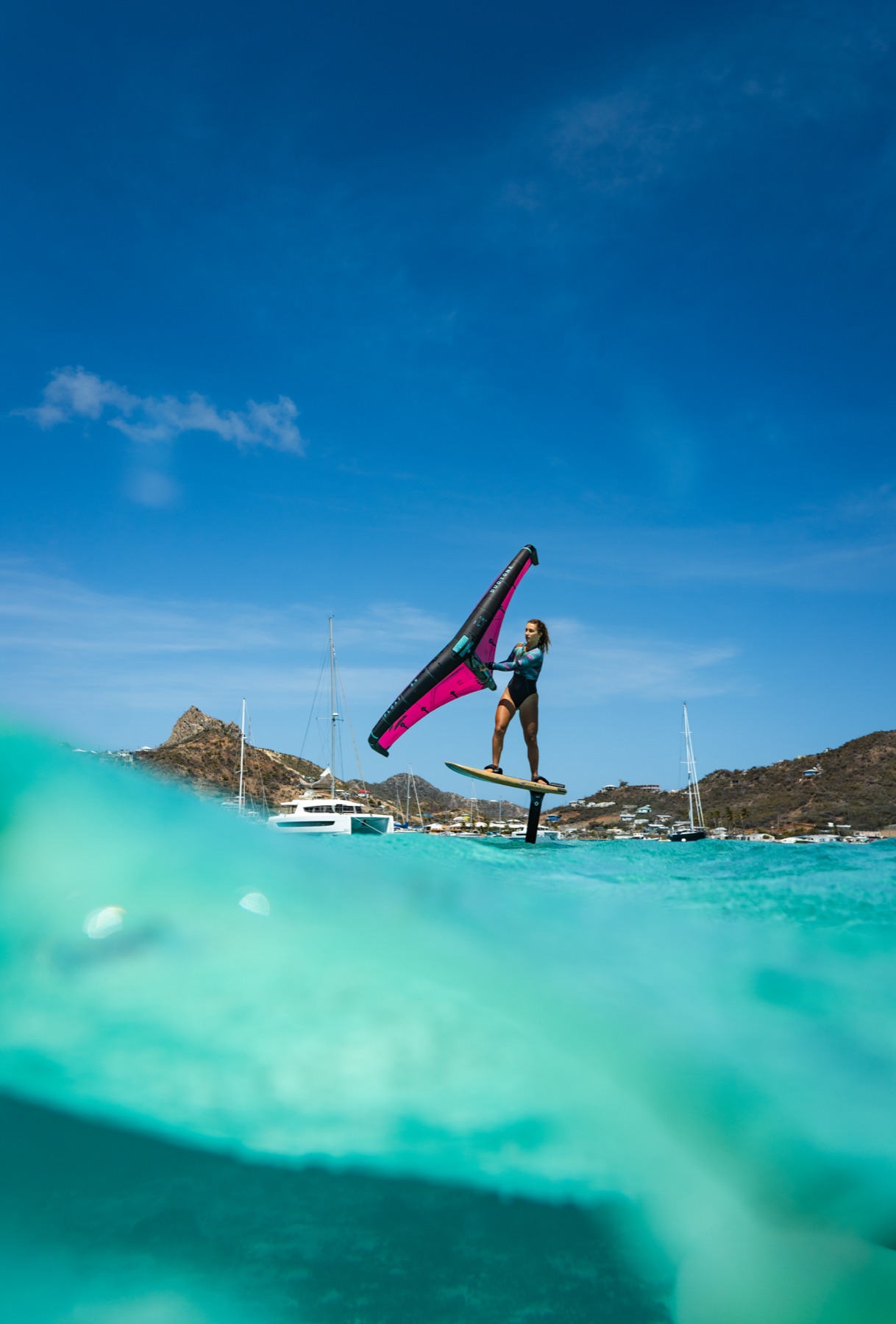
The best way to learn wing foiling is to separate the sport into two parts: first, learn how to control the wing, then learn how to control the foil.
The wing part is usually the easiest part. With a stable board, most students can learn how to hold the wing, use the wind, go back and forth, turn around, and have fun quite quickly.
The foil is the harder part. Flying above the water requires balance, timing, soft movements, and the right equipment.
This is why the right school matters. A good instructor, a private boat, stable beginner gear, and the right progression method can save you hours of frustration.
For many beginners, the best way to learn to wing foil is to make it part of a wing foil holiday. Instead of trying one short session and stopping just as the sport starts to make sense, you can dedicate a few days to a proper course, repeat the key movements, and give yourself time to connect the wing, board, and foil.
Why learn with us
What makes the difference
One of the first wing foil schools
JT Pro Center has taught wing foiling seriously since the early days of the sport.
Private boat support
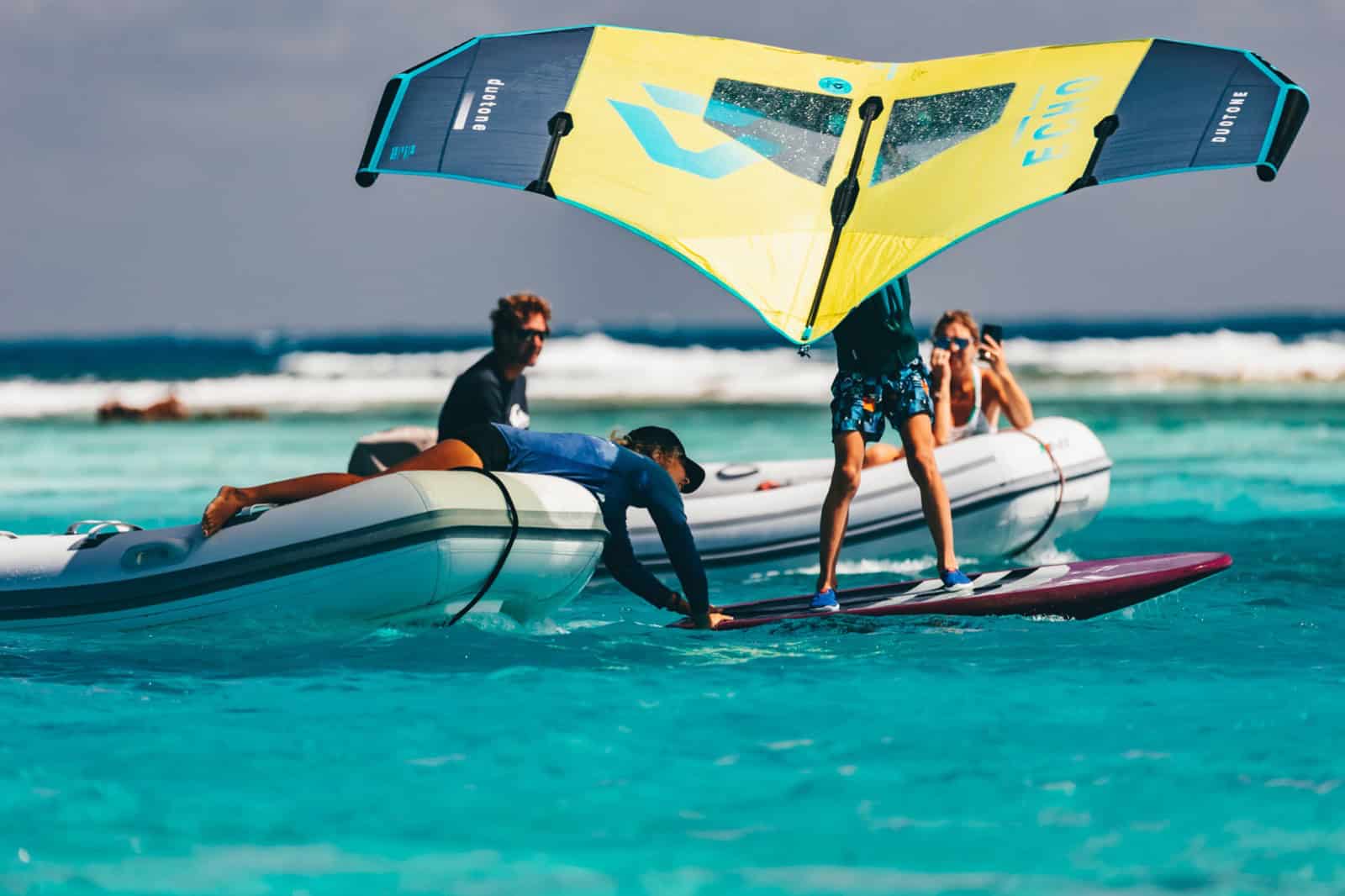
The boat helps with safety, repositioning, towing practice, and more time learning.
Duotone equipment
Stable Duotone boards, wings, and foils help beginners progress with more control.
Wing first, foil second
Learn wing control first, then add the foil once the basics feel natural.
Great for sailors and cruisers
Compact gear and no long kite lines make wing foiling appealing for boat life.
Warm water, no wetsuit
Union Island gives beginners warm Caribbean water and steady trade winds in season.
Experience
Why learn wing foiling with JT Pro Center?
JT Pro Center is not new to wing foiling. The school has been part of the sport since its early development and helped bring wing foiling into serious instruction at a time when many places were still treating it as an experiment.
Jeremie Tronet built the JT Pro Center teaching method from years of professional riding, coaching, filming, and running lessons in the Grenadines.
Union Island was used to film Duotone Academy content for both wing foiling and kitesurfing, and JT Pro Center helped train Paula Novotna before she became a wing foil world champion.
That experience matters when choosing a wing foil lesson in the Caribbean, because beginners need a clear progression. The goal is not to rush students onto a foil board too early. The goal is to build control step by step.
Why it is popular
Why wing foiling is so popular
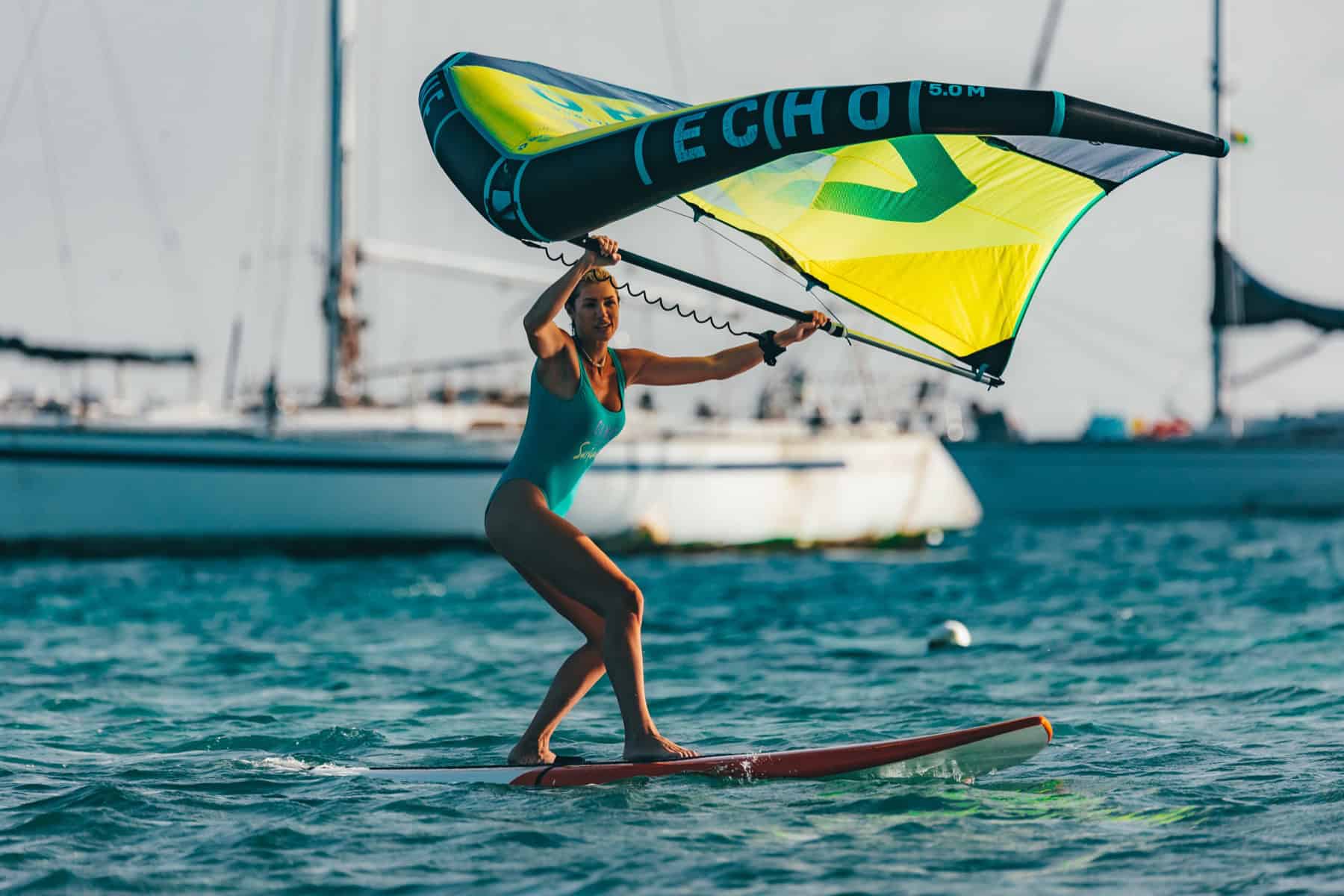
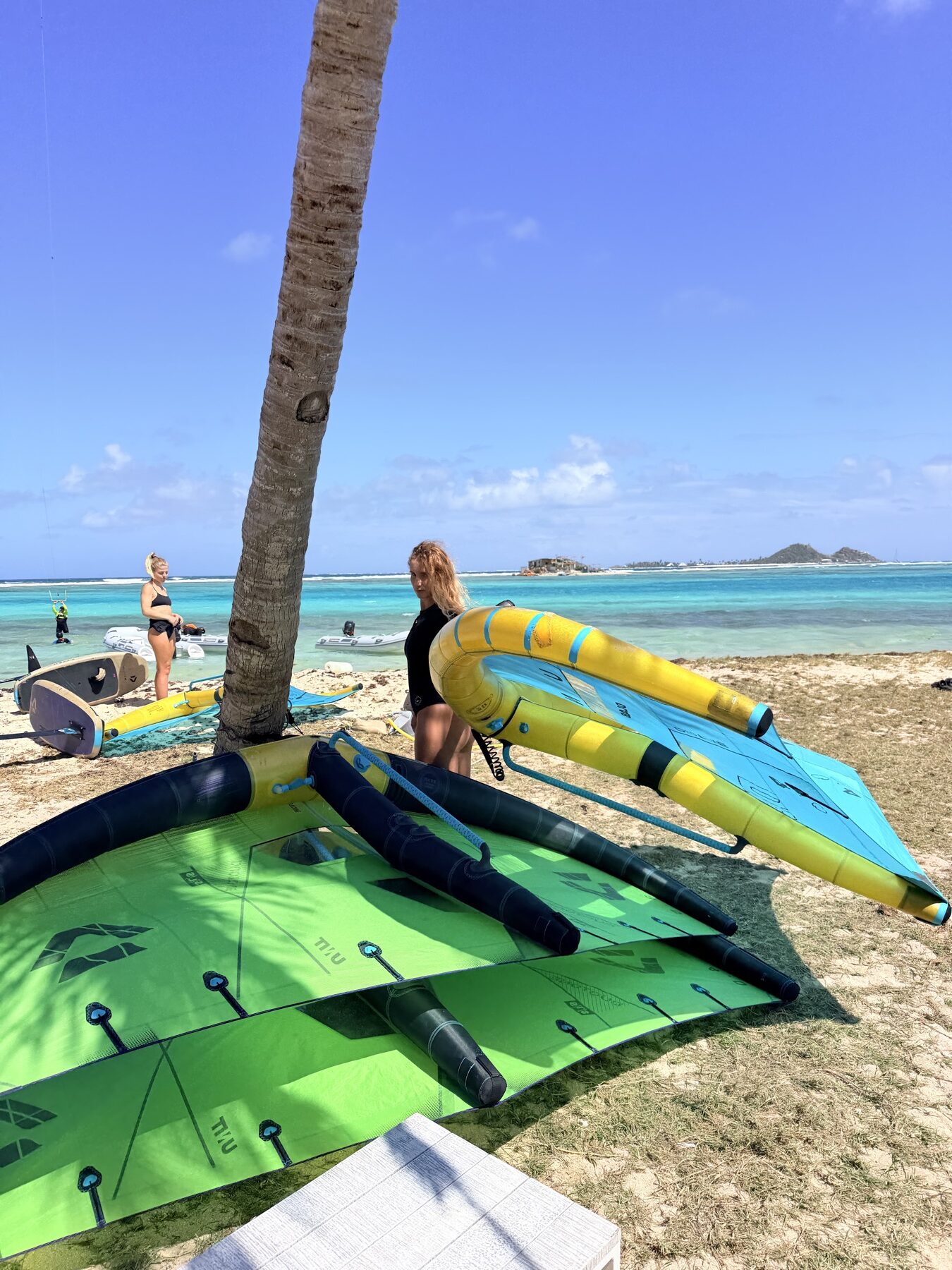
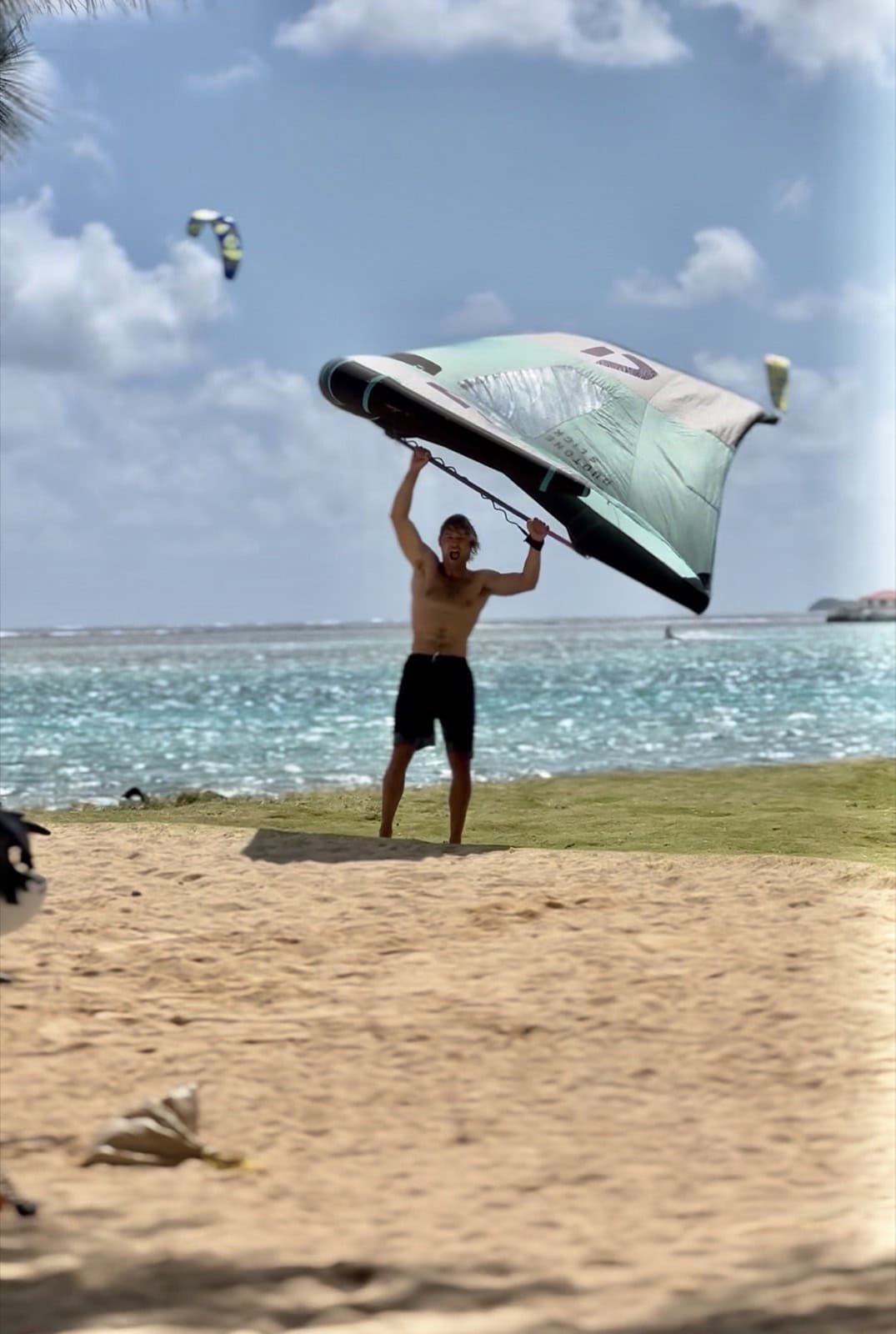
Wing foiling is popular because it is compact, fun, and easier to carry than many other watersports.
For sailors and cruisers, it is especially appealing. If you spend time on a boat, wing foiling gives you a new way to enjoy windy days without setting up long kite lines from the beach or from a yacht.
You can travel with a wing, a foil, and even an inflatable board. You can use it in many places where kitesurfing would be harder to organize.
Wing foiling also requires much less beach space than kitesurfing lessons. Many beaches that are not practical for kitesurfing can still work for wing foiling because you do not need long lines laid out on the sand.
Easy to try
Is wing foiling hard to learn?
Wing foiling is easy to try, but it takes the right method to learn properly.
Most beginners can understand the wing fairly quickly. The challenge usually starts when the foil board is introduced.
The first time the foil lifts and the board starts flying above the water is an incredible feeling. It is smooth, quiet, and completely different from normal board sports.
But learning to control that flight takes time. If you try to learn alone, you can spend hours drifting downwind, falling, walking back up the beach, and getting frustrated without understanding what you are doing wrong.
With an instructor and boat support, the process becomes much easier. You get feedback, you waste less time drifting, and you learn the right movements from the beginning.
Boat life
Wing foiling for sailors and cruisers
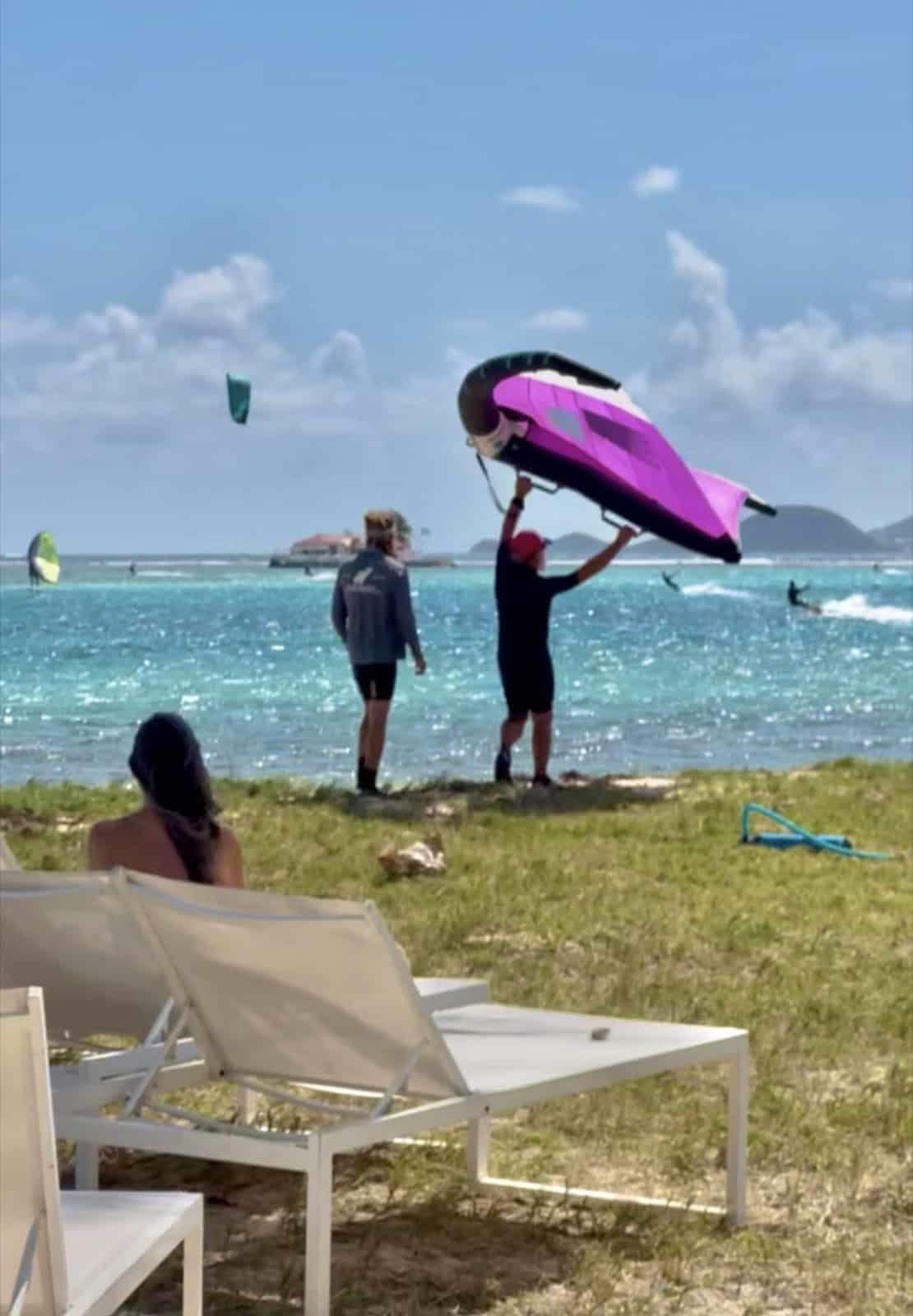
Wing foiling is a strong fit for sailors and cruisers because it gives you a wind-powered sport without the space, line management, and beach setup that kitesurfing requires.
The equipment is more compact, the setup is simpler, and the sport can work from many protected anchorages when conditions are right.
If you are a sailor planning time in the Grenadines, wing foiling can become a way to enjoy windy days from a boat while still keeping the learning process simple and supported.
Boat support
Why boat support makes a big difference
Boat support is one of the biggest advantages when learning wing foiling.
When you are learning, you will drift. Every mistake, fall, or failed attempt can push you farther downwind. Without a boat, you may lose a lot of time walking back, paddling, or trying to return to your starting point.
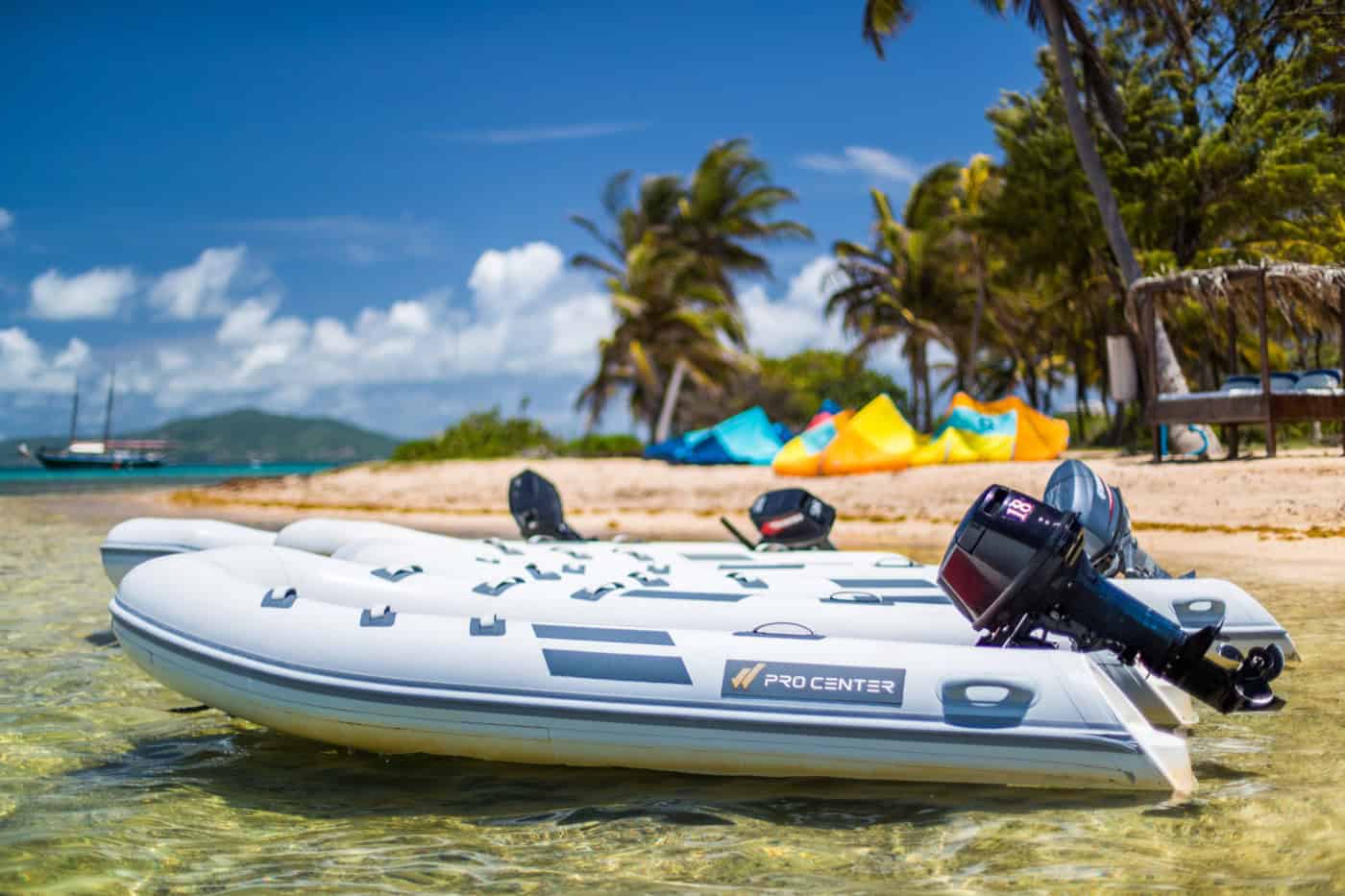
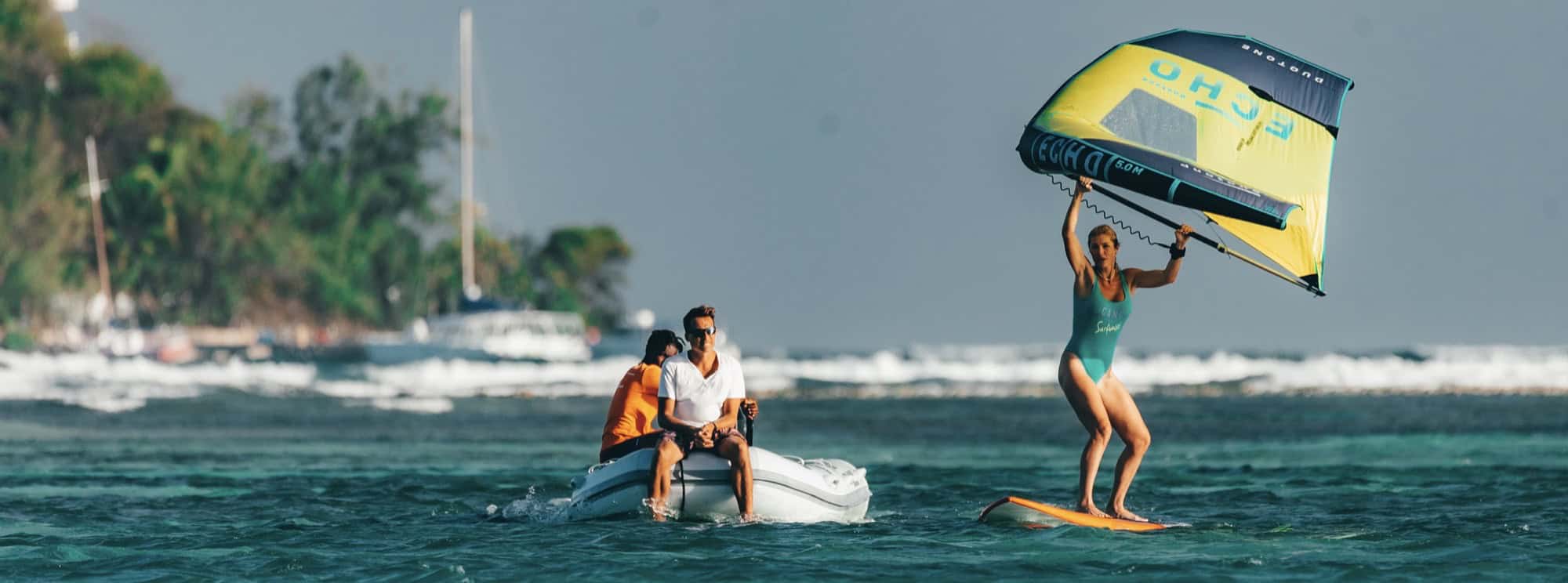
At JT Pro Center, our wing foil lessons are boat-assisted. The boat follows you, helps with safety, brings you back to the starting point when needed, and allows you to spend more time practicing.
The boat also helps us teach the foil part better. We can use towing and support from the boat to help students understand the feeling of flying on the foil before connecting everything with the wing.
This means more progression and less frustration.
The first lesson
What happens during a first wing foil lesson?
The first lesson usually starts with wing control.
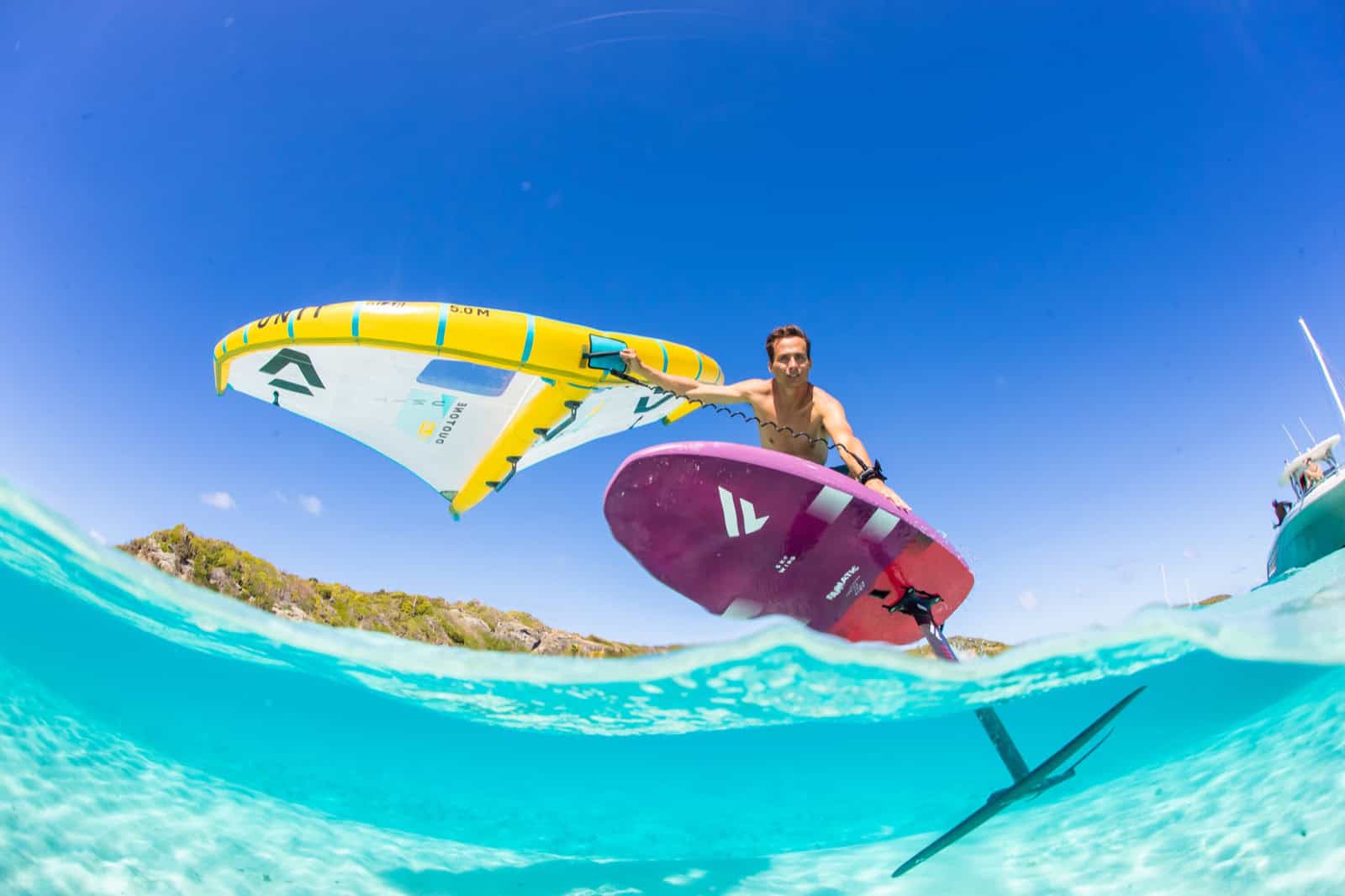
You learn how to hold the wing, power it, depower it, turn, and move across the water. This is often done on a stable SUP-style board or beginner board so you can focus on the wing before thinking about the foil.
Most students with a little balance can start going back and forth and having fun during the first lesson.
Depending on your level, balance, and the conditions, we may introduce the foil board toward the end of the first lesson or during the next sessions.
First flights
Learning to fly on the foil
The foil is the technical part of wing foiling.
If you already have experience with kite foiling, surf foiling, windsurfing, or board sports, you may progress faster. If you have never used a foil before, it can take more time.
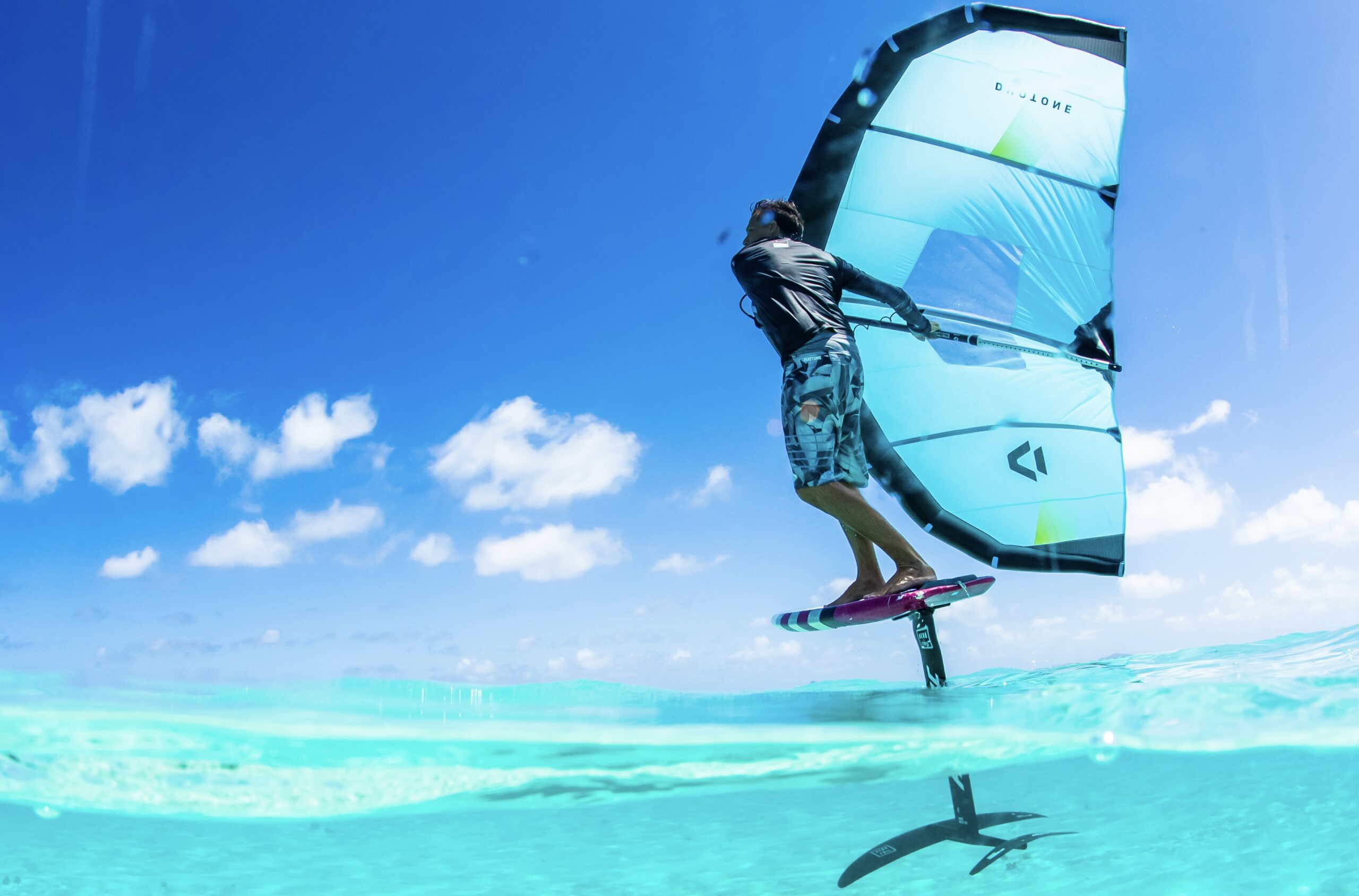
At JT Pro Center, we use large beginner boards and large stable foils to make the first flights easier. The goal is not to put beginners on advanced equipment too early. The goal is to help you understand balance, lift, speed, and control.
Once you start flying on the foil, the feeling is hard to describe. It is one of the reasons people get hooked on wing foiling so quickly.
Equipment
Why good equipment matters
Good beginner equipment makes a huge difference.
If the board is too small or the foil is too advanced, learning becomes much harder than it needs to be.
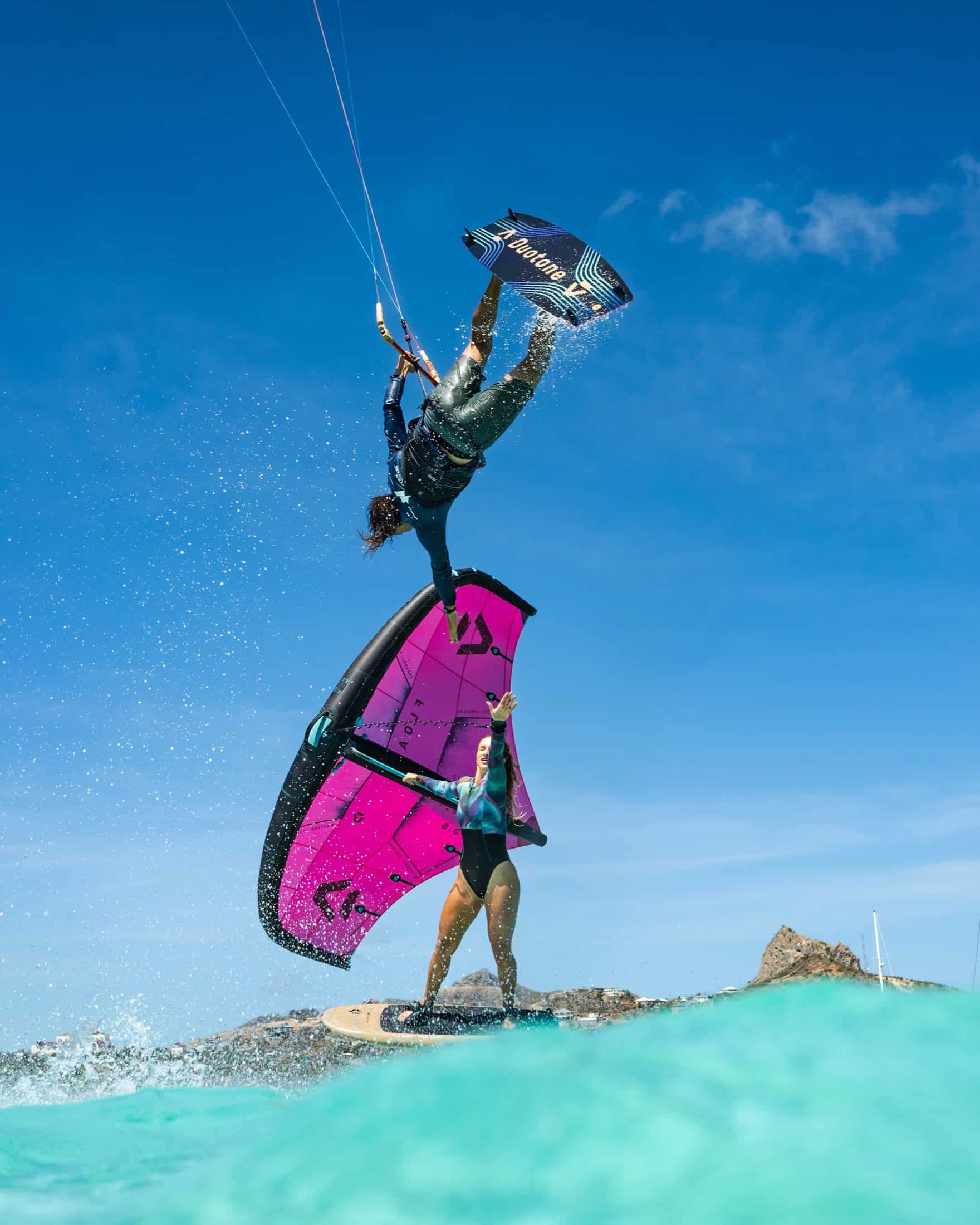
Beginners need volume, stability, and a foil that lifts early and stays controlled. At JT Pro Center, we use high-quality Duotone equipment adapted to the student’s level.
Good equipment does not replace a good instructor, but it makes the learning process much smoother.
The spot
Why Union Island is a great place to learn wing foiling
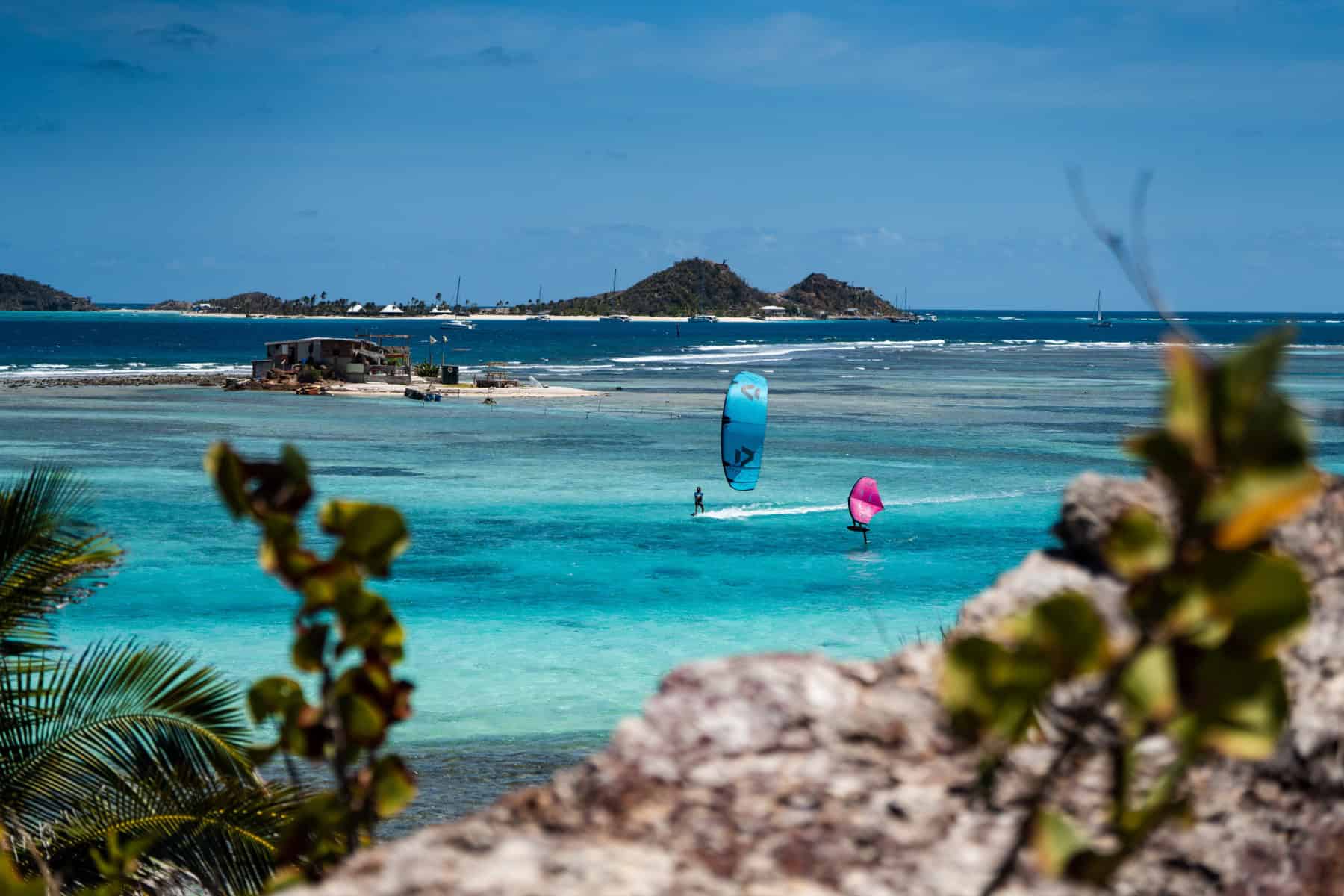
Union Island in the Grenadines is a great place to learn wing foiling because of the warm water, steady trade winds, beautiful surroundings, and boat-supported teaching setup.
You do not need a wetsuit. You do not need to learn in cold water. You do not need to waste half your session walking back up the beach after drifting downwind.
For beginners comparing the best place to learn wing foiling in the Caribbean, this combination matters: warm water, a private instructor, private boat support, Duotone equipment, and a team that has been involved in wing foiling since the early days of the sport.
Planning a full trip? Use this guide together with our pages on learn wing foiling in the Caribbean, learn kitesurfing in the Caribbean, getting to Union Island, Mer et Sel Villa & Suites, and contact JT Pro Center.
Common mistakes beginners make
The biggest mistake beginners make is trying to learn wing foiling alone without the right progression.
Other common mistakes include choosing equipment that is too advanced, using a board that is too small, starting directly on the foil before controlling the wing, learning in difficult wind, learning without boat support, and getting frustrated too early.
The right progression is simple: learn the wing, understand the board, learn the foil, then connect everything together.
How long
How many days does it take to learn wing foiling?
It depends on your balance, wind conditions, previous experience, and comfort on the water.
If you are already a kitesurfer, windsurfer, surfer, or foiler, you may progress faster.
If you have never used a foil before, it can take more time to understand the flying part.
For most beginners, a multi-day package is the best way to learn. A three-day package can give many students a strong introduction to the sport and enough time to understand the wing, the board, and the first foil flights.
Getting started
The best way to start wing foiling
If you want to learn wing foiling properly, do not choose only based on price.
Choose the right school, the right instructor, the right spot, the right equipment, and boat support if possible.
Wing foiling can be frustrating if you try to figure it out alone, but it becomes much easier when you are guided properly.
At JT Pro Center in the Grenadines, we help students learn with private instruction, private boat support, radio coaching when useful, Duotone equipment, and one of the most beautiful learning environments in the Caribbean.
Good to know
Frequently asked questions
Is wing foiling hard to learn?
+
Wing control is usually accessible, but learning to fly on the foil takes more time. The right instructor, stable equipment, and boat support make the learning process much easier.
Can I learn wing foiling alone?
+
It is possible to try, but many beginners get frustrated because they drift downwind, walk back often, and repeat the wrong movements. Lessons help you progress faster.
Is wing foiling good for sailors and cruisers?
+
Yes. Wing foiling is popular with sailors and cruisers because the equipment is compact, easier to carry, and does not require long kite lines.
How many days should I book to learn wing foiling?
+
A multi-day package is usually best. A three-day package can give many students a strong introduction to the wing, board, and first foil flights.
Where is a good place to learn wing foiling in the Caribbean?
+
Union Island in the Grenadines is a strong option because of warm water, steady trade winds, boat-supported lessons, Duotone equipment, and JT Pro Center wing foil experience.
Ready to learn wing foiling?
Send us your dates, your level, and what kind of wing foil holiday you want. We will help you choose the right wing foil lesson setup for your trip. Use the contact JT Pro Center page to ask about private instruction, boat support, Duotone equipment, accommodation options, and the best setup for your dates.